
To provide you with various specifications of piston & plunger pumps products and services

In industries such as oil and gas, geological exploration, and industrial water treatment, reciprocating high pressure pumps have become the preferred equipment for extreme operating conditions due to their structural and performance advantages.
1. Advantages of Reciprocating Pumps
2. Reciprocating Pump Configurations
3. Typical Application Scenarios
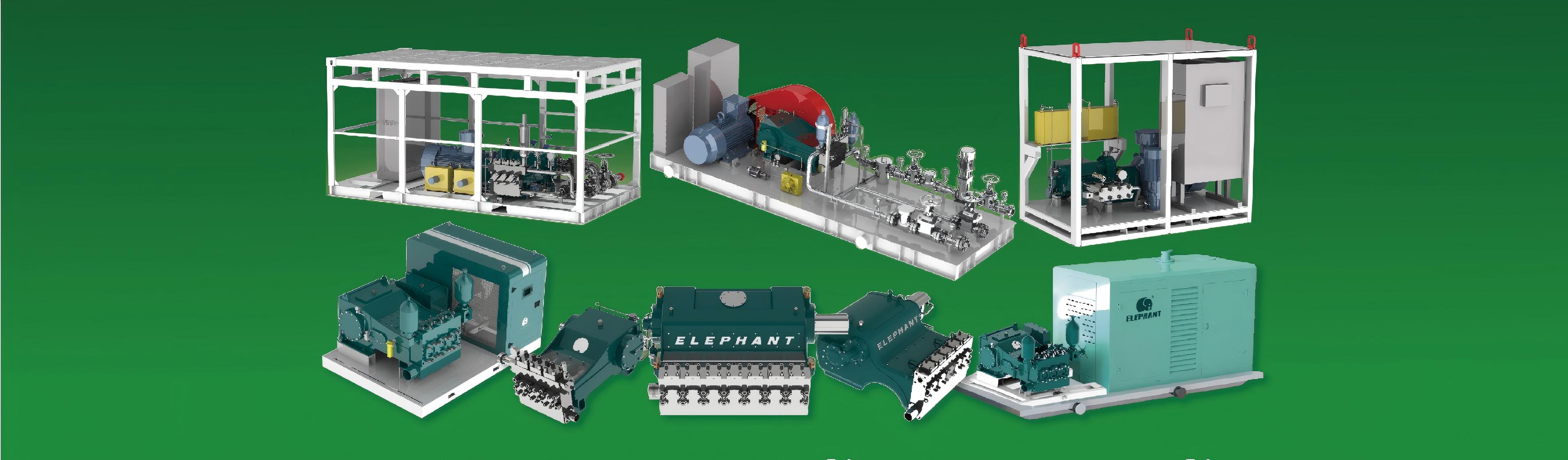
Reciprocating high pressure pumps can match the extreme operating condition requirements of multiple industries and are key equipment in the field of industrial high pressure fluid transfer. If you are looking for API 674-compliant high pressure reciprocating pumps or customized pump skid systems, please contact our engineering technical team for technical parameters and selection quotations.

To provide you with various specifications of piston & plunger pumps products and services
Contact Us
If you are interested in our products, please contact us, we will provide you with suitable services.
 +86 18110351348
 Email: louise.zhang@c-elephant.com
 Address: Room 909, Building 4, No. 109 Software Avenue, Nanjing City, Jiangsu, China</br></br>No. 58 Guan Hua West Road, Jianhu County, Yancheng City, Jiangsu Province, China
Please read on, stay posted, subscribe. and we welcome you to tell us what you think.
We Will Never Share or Sell Your Email. We Also Promise Not to Flood Your Inbox.


 IPv6 network supported