
Model :
CBW-3200Type :
Diesel Engine PumpStroke :
200Cylinder Diameter :
170Flow :
885-3200 L/minPressure :
4.8-12 MpaShipping Port :
Shanghai Port, ChinaWarranty :
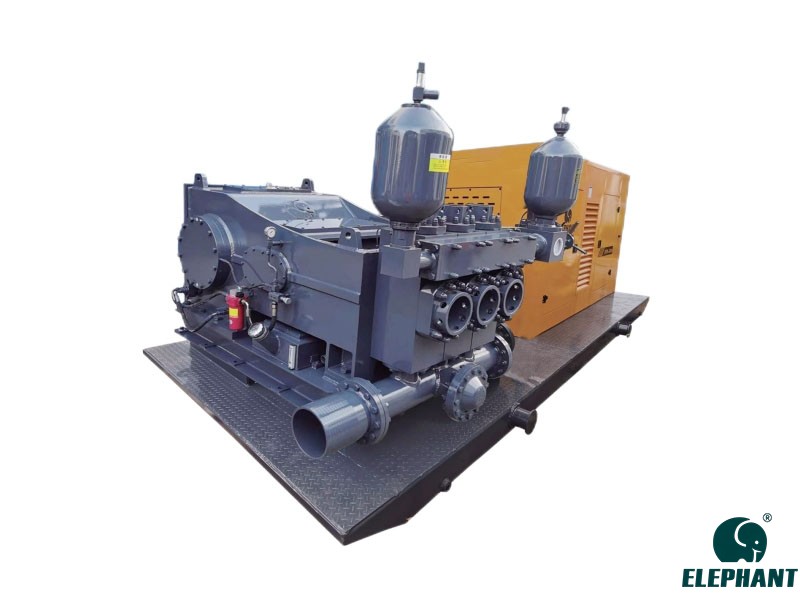
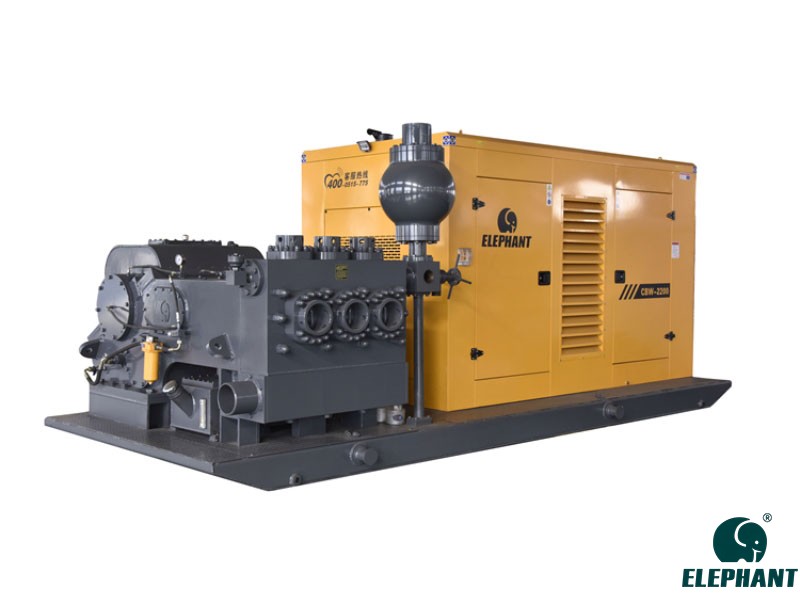
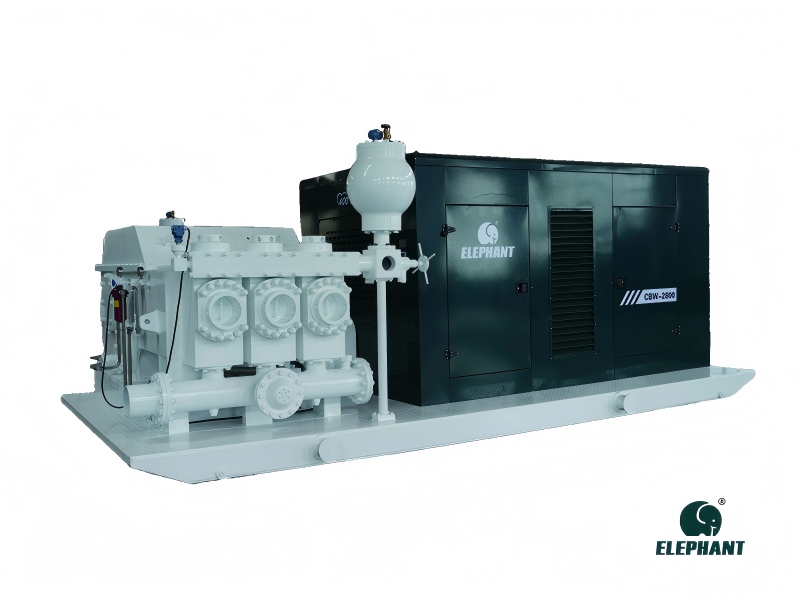
12 MonthsThe CBW-3200 diesel engine pipeline booster pump is a horizontal triplex reciprocating single-acting plunger pump equipped with an automatic gear-shifting transmission and wireless remote control system.
This equipment is suitable for conveying clean water, emulsions, and neutral liquids containing minimal impurities. It finds extensive application in petroleum extraction, mine drainage, municipal water supply, agricultural irrigation, and industrial pipeline boosting. Powered by a diesel engine, it delivers robust performance, stable operation, and adaptability to off-grid field environments, effectively meeting pipeline pressurization demands across diverse scenarios.
The pipeline booster pump features a wireless remote control system supporting touchscreen remote operation and real-time monitoring via its display screen.
Technical Parameters and Specifications
| Type | Horizontal Triplex Reciprocating Single Acting Plunger Pump |
| Stroke (mm) | 200 |
| Cyclinder Diameter (mm) | 170 |
| Flow (L/min) | 3200 2364 1752 1293 885 |
| Pressure (Mpa) | 4.8 6 8 10 12 |
| Input Speed (r/min) | 320 |
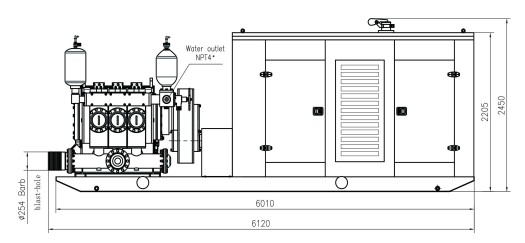
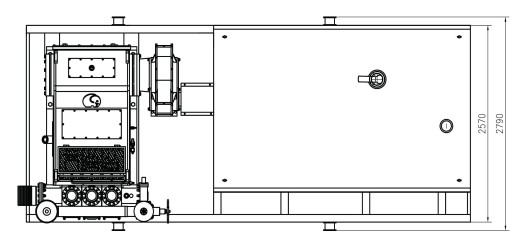
| Dimensions (mm) | 6120*2790*2450 |
| Weight (kg) | 13000 |
| Diesel Model | QSZ13-C550 |
| Diesel Engine Power (KW) | 410 |
| Rated Speed (r/min) | 1750 |
FAQ
1. What preparations are required before starting a pipeline booster pump?
2. What are the possible causes of excessive vibration during operation of a pipeline booster pump?
Possible causes include poor alignment between the pump and motor, which generates additional torque during operation and induces vibration. Loose anchor bolts may also fail to secure the pump body effectively. Additionally, excessive wear or clearance in moving components like pistons and connecting rods, or air leaks in the suction piping causing cavitation within the pump, can all lead to excessive vibration.
3. What causes insufficient discharge pressure in a pipeline booster pump?
Possible causes include poor suction conditions, such as blockages in the suction line or clogged filters leading to insufficient suction flow; wear on sealing components like piston rings or valve plates causing increased internal leakage; reduced rotational speed of the drive unit; or premature opening of the safety valve due to an overly low set pressure.
4. How should excessive oil temperature be addressed during operation of the pipeline booster pump?
First, check if the oil level in the tank is sufficient. If low, promptly add oil to the specified level. Next, verify that the lubricant grade meets requirements. If the lubricant has aged or deteriorated, replace it immediately. Then verify the cooling system is functioning properly—check for blockages in cooling water lines or damage to cooling fans to ensure adequate cooling. Simultaneously, inspect whether clearance gaps in moving components are excessively tight, causing increased friction heat. Adjust or replace worn parts as necessary.
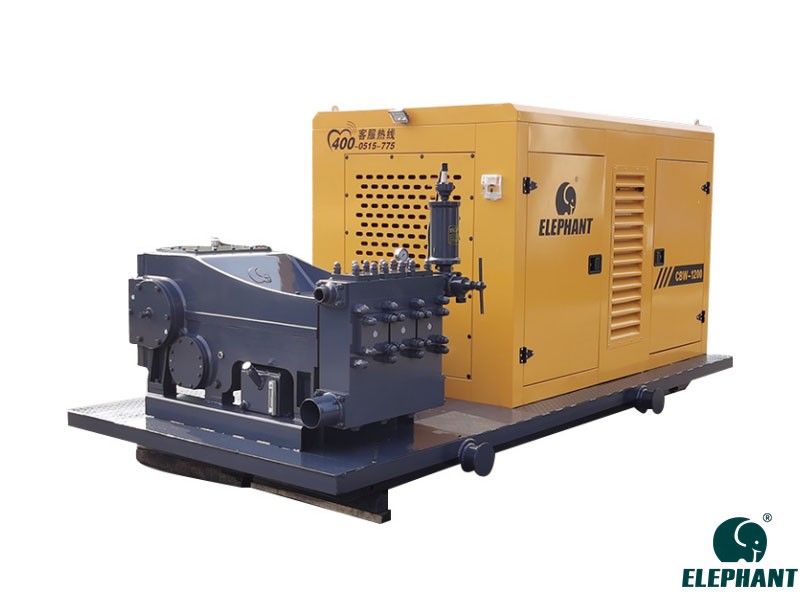
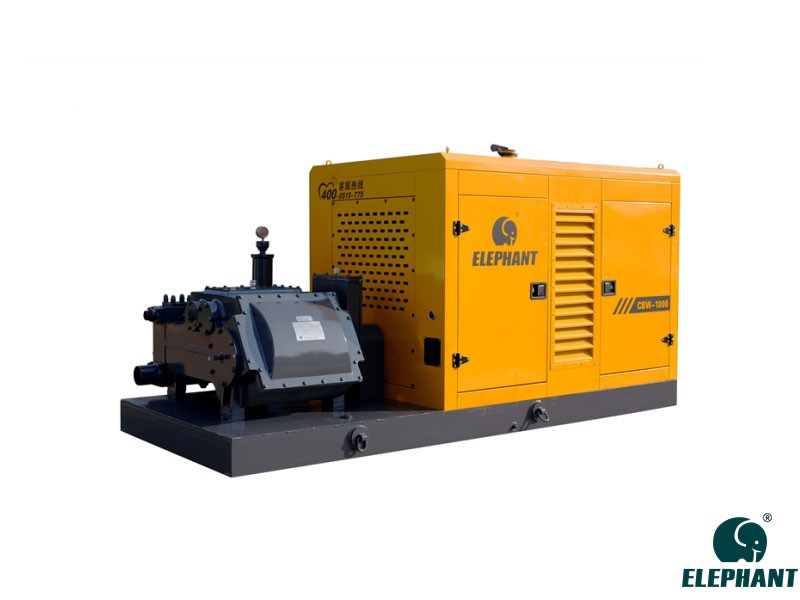
The CBW-1200 diesel engine pump is primarily used for pipeline boosting and features five-speed flow adjustment functionality.
Learn More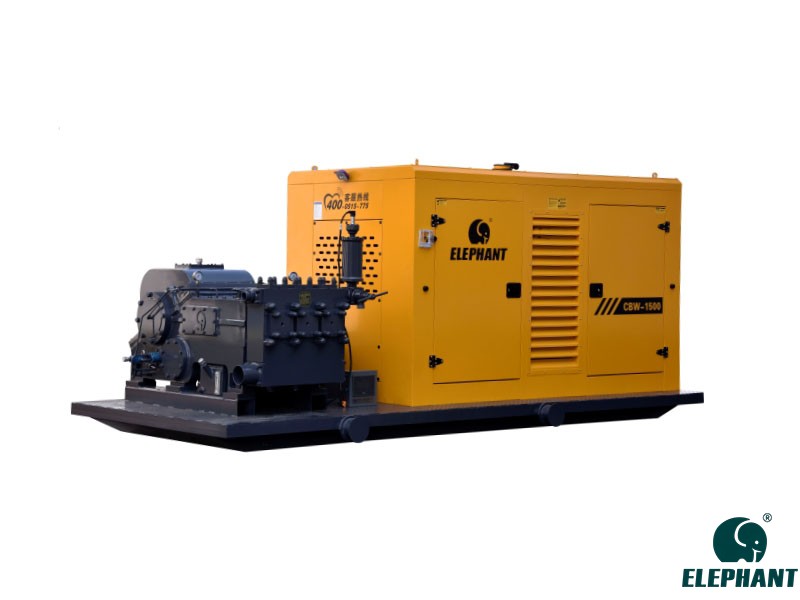
The CBW-1500 crude oil transfer pump is a diesel engine triplex reciprocating single acting plunger pump featuring five-stage flow rate adjustment.
Learn More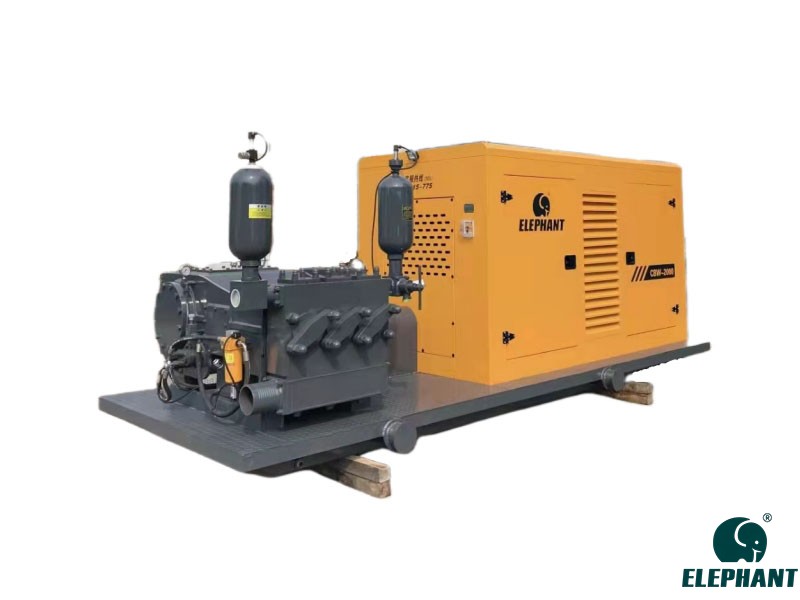
The CBW-2000 Pipeline Booster Pump is a diesel engine-driven, triplex reciprocating single-acting plunger pump equipped with an automatic transmission and wireless remote control system.
Learn More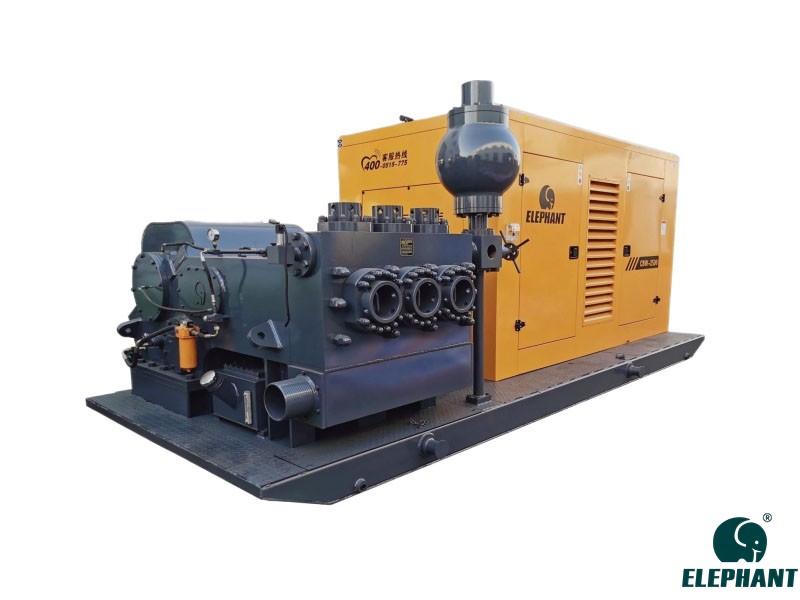
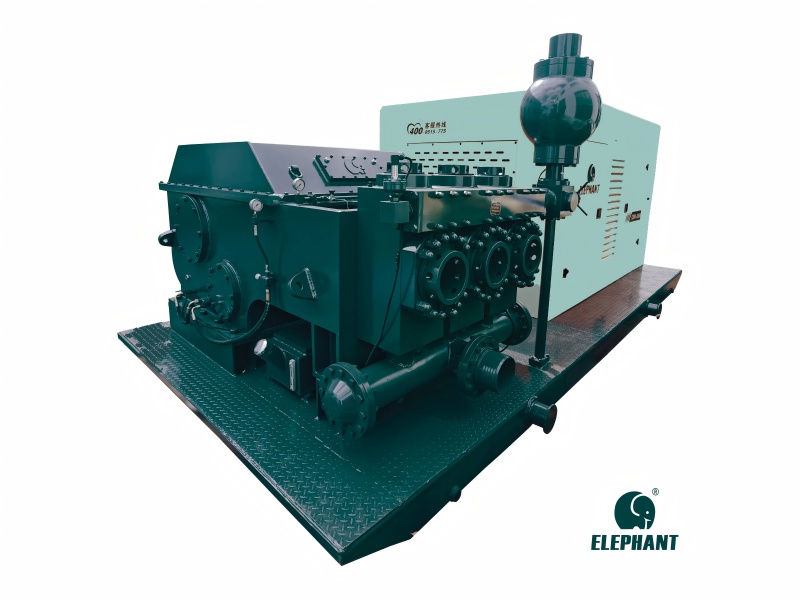
The CBW-2500 diesel pipeline booster pump is a triplex reciprocating single-acting plunger pump.
Learn More
The CBW-3200 diesel engine pipeline booster pump is a horizontal triplex reciprocating single-acting plunger pump.
Learn More
To provide you with various specifications of piston & plunger pumps products and services
Contact Us
If you are interested in our products, please contact us, we will provide you with suitable services.
 +86 18110351348
 Email: louise.zhang@c-elephant.com
 Address: Room 909, Building 4, No. 109 Software Avenue, Nanjing City, Jiangsu, China</br></br>No. 58 Guan Hua West Road, Jianhu County, Yancheng City, Jiangsu Province, China
Please read on, stay posted, subscribe. and we welcome you to tell us what you think.
We Will Never Share or Sell Your Email. We Also Promise Not to Flood Your Inbox.



 IPv6 network supported