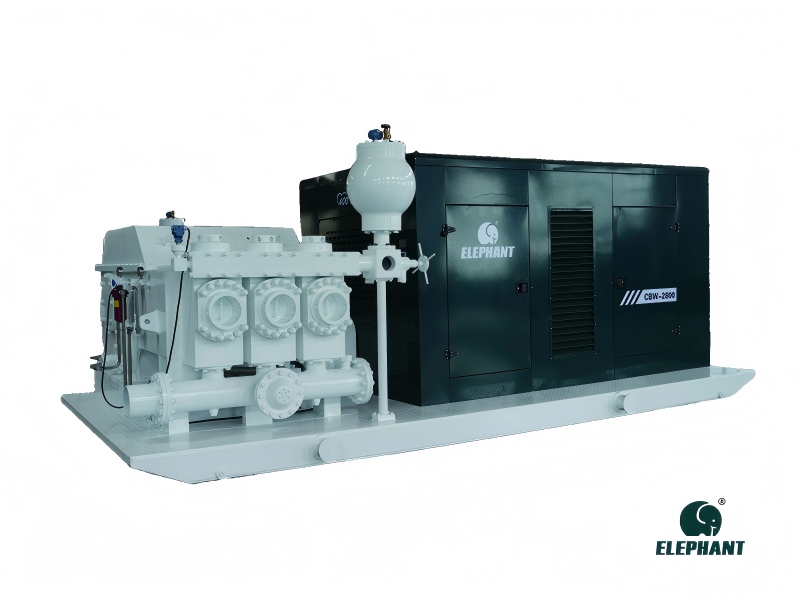
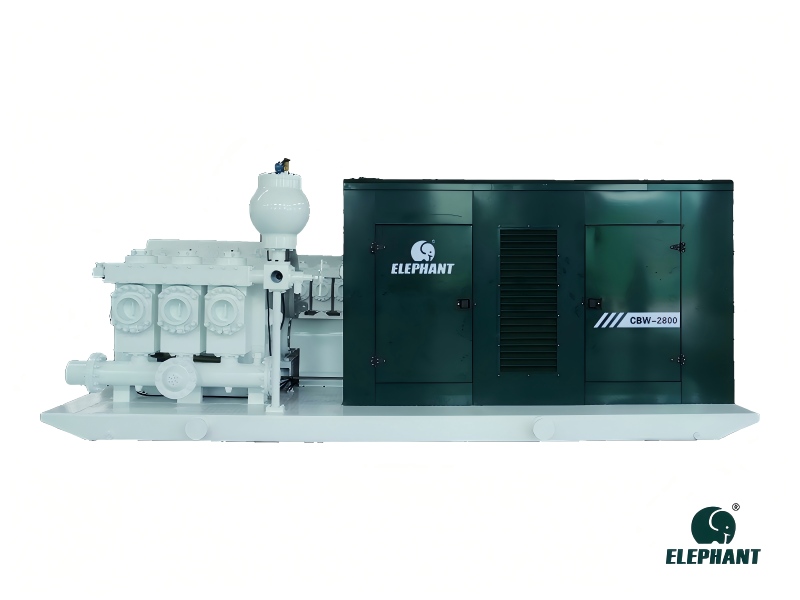


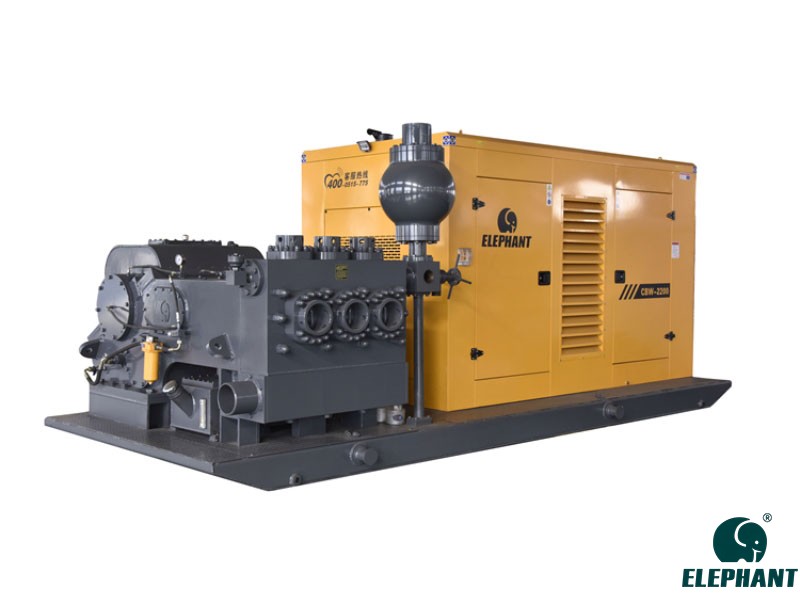
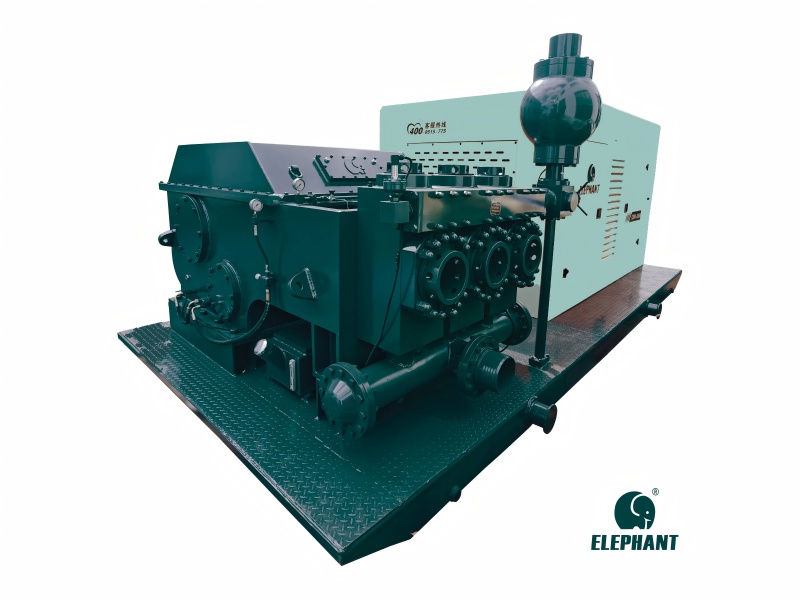
Model :
CBW-2800Type :
Plunger PumpStroke :
190Cylinder Diameter :
160Flow :
2800Pressure :
18Shipping Port :
Shanghai Port, ChinaWarranty :
12 Months
Technical Parameters and Specifications
| Type | Horizontal Triplex Reciprocating Single-Acting Plunger Pump |
| Stroke(mm) | 190 |
| Cyclinder Diameter (mm) | 160 |
| Flow (L/min) | 2800 |
| Pressure (Mpa) | 18 |
| Pump Speed (r/min) | 248 |
| Rated Power (KW) | 403 |
| Dimensions (mm) | 5835×2990×2570 |
| Weight (kg) | 15800 |
|
Maximum Input Torque(N·m)
|
10800
|
|
Diameter of Plunger(mm)
|
Φ160
|
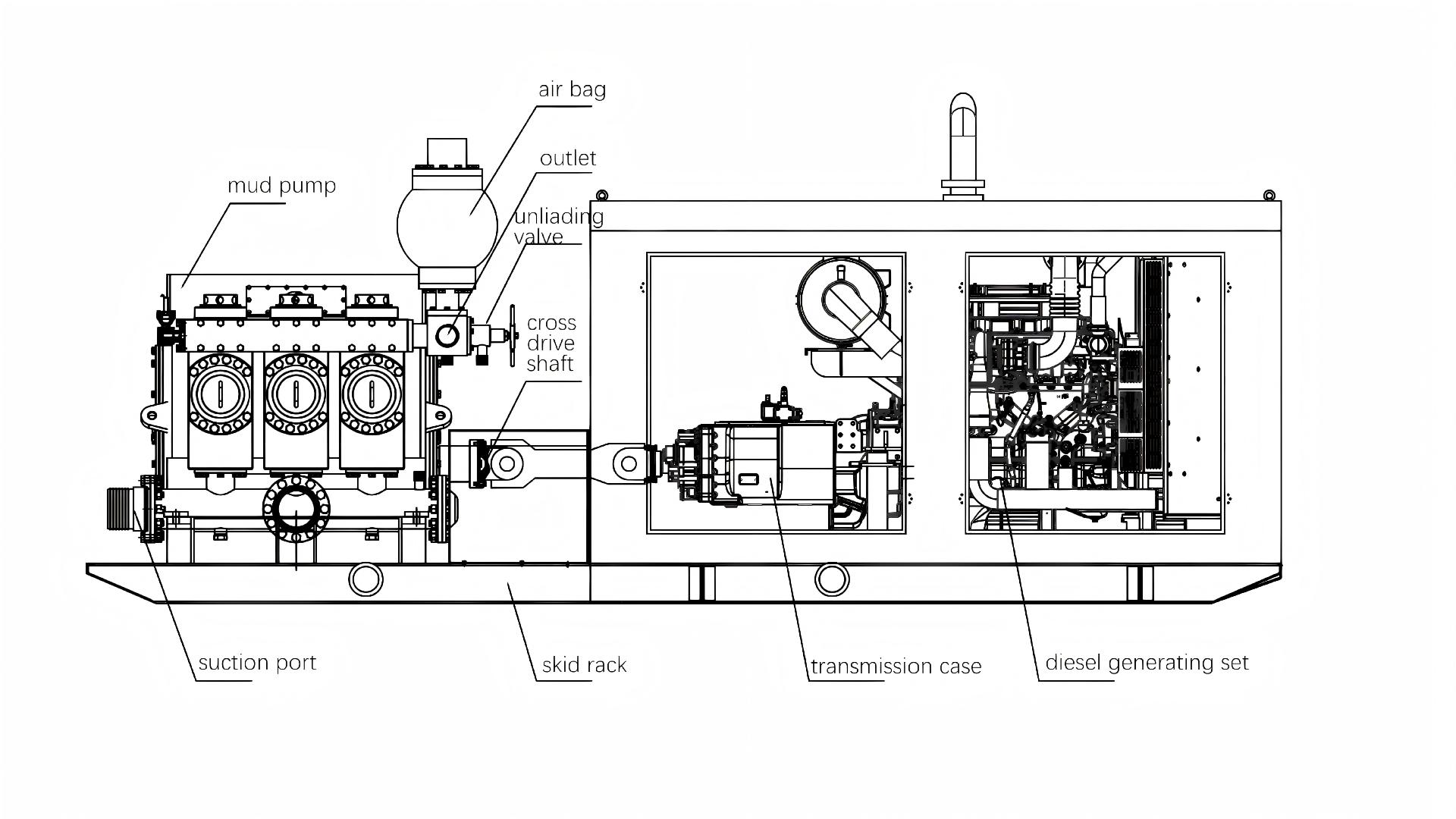
Engineering dimensional outline
FAQ
1. What causes abnormal noise during operation of a pipeline booster pump?
• Air ingress into the pump cavity, such as from leaky inlet piping or low liquid levels, leading to cavitation and noise generation;
• Wear or loosening of moving components, such as excessive wear of piston rings, connecting rod bushings, or loosened fastening bolts, causing component collisions and noise;
• Resonance between the pump and piping connections. If piping supports are unstable or the pump foundation is not secure, resonance noise may occur during operation. Troubleshoot by inspecting inlet pipe seals, tightening components, or adjusting pipe supports.
2. What factors could cause a sudden drop in pump flow?
• Blockage in the suction line, such as a clogged filter, reducing fluid intake;
• Partially open discharge valves or stuck valve cores increasing discharge resistance and lowering flow;
• Worn piston seals causing fluid leakage in the pump chamber and reduced volumetric efficiency;
• Drive mechanism failure in the power end, such as damage to components like the crankshaft or connecting rod, causing abnormal piston stroke and affecting displacement. To determine the specific cause, systematically inspect the filter, valve status, seal wear condition, and drive mechanism operation.
3. How to determine if the piston rings in a pipeline booster pump need replacement?
The following symptoms indicate replacement is necessary: First, the pump's discharge pressure drops significantly and fails to reach rated pressure, with no noticeable improvement even after adjusting operating conditions. Second, increased leakage occurs, with visible fluid seepage at the pump body-to-cylinder head joint or piston rod seal. Third, abnormal power consumption increases during operation, accompanied by unstable piston movement. When these conditions occur, disassemble the pump body to inspect the piston rings. If cracks, fractures, excessive wear (radial thickness reduction exceeding one-third of original thickness), or loss of elasticity are detected, replacement is required promptly.
4. How should pumps be maintained during winter shutdown?
Winter shutdown maintenance requires attention to freeze protection and rust prevention: First, thoroughly drain all water from the pump body and piping. For pumps handling water or water-containing media, drain water by opening the drain valve at the pump base or disassembling pipe flanges to prevent freezing and cracking of the pump body and piping. Second, lubricate moving components by adding appropriate amounts of antifreeze lubricating oil to the crankcase and bearing housings to prevent corrosion. Finally, clean the pump's exterior to remove surface oil and debris. Apply rust-preventive grease to exposed metal parts. If necessary, cover the pump with a protective cover to shield it from dust and moisture.
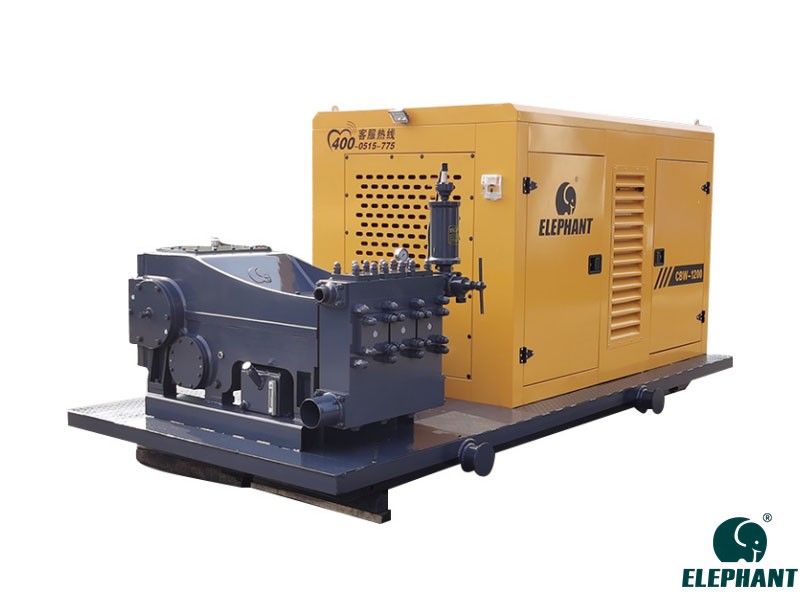
The CBW-1200 diesel engine pump is primarily used for pipeline boosting and features five-speed flow adjustment functionality.
Learn More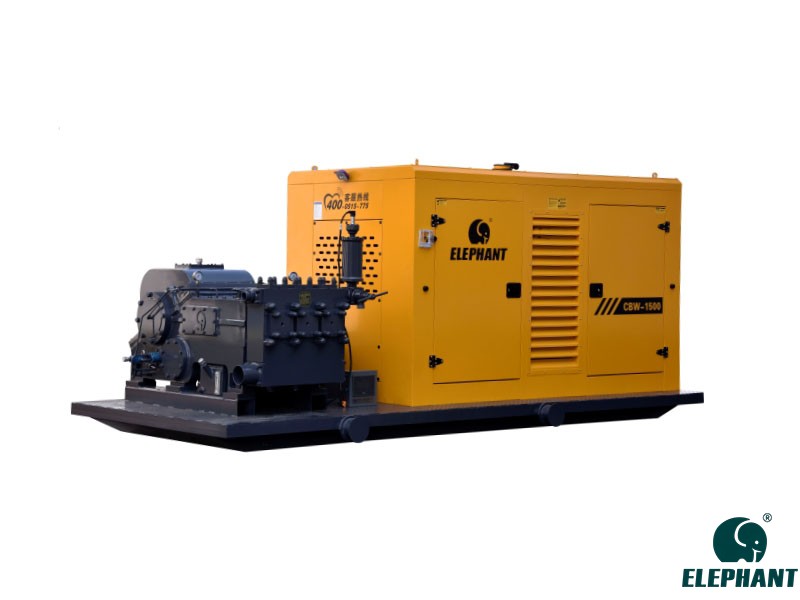
The CBW-1500 crude oil transfer pump is a diesel engine triplex reciprocating single acting plunger pump featuring five-stage flow rate adjustment.
Learn More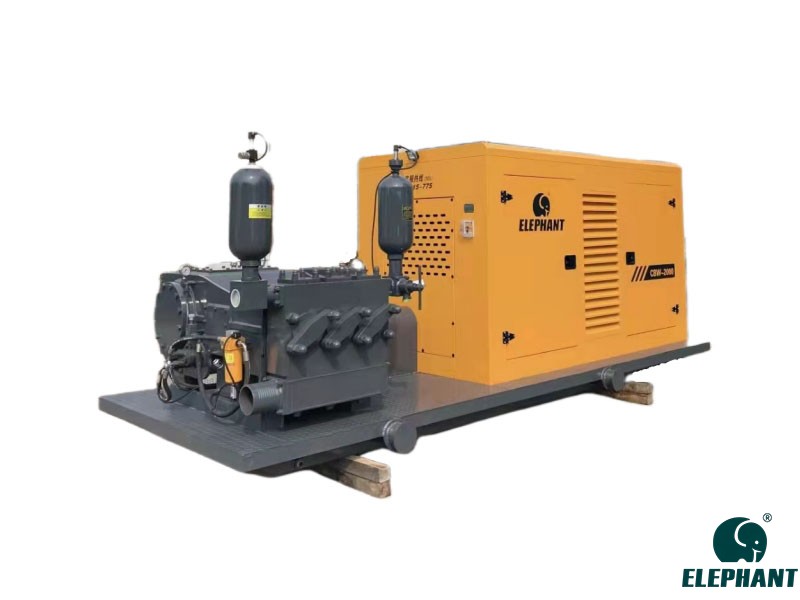
The CBW-2000 Pipeline Booster Pump is a diesel engine-driven, triplex reciprocating single-acting plunger pump equipped with an automatic transmission and wireless remote control system.
Learn More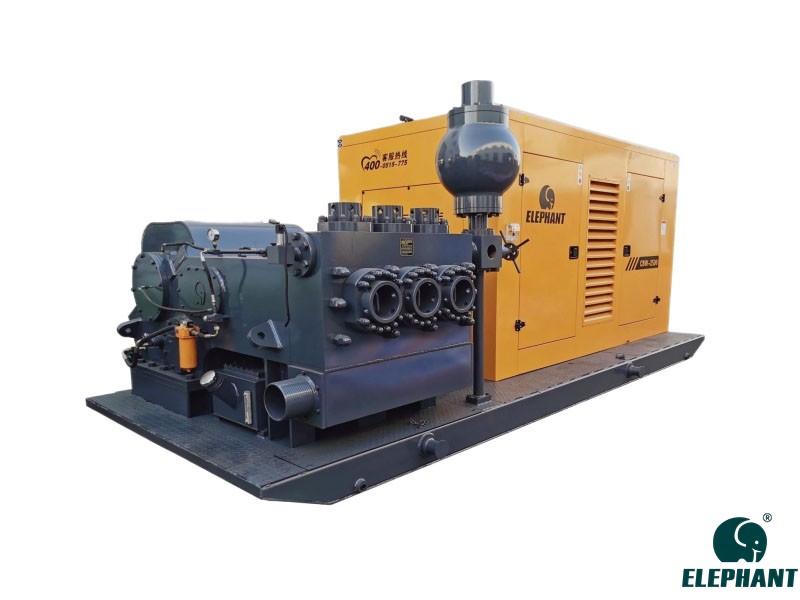
The CBW-2500 diesel pipeline booster pump is a triplex reciprocating single-acting plunger pump.
Learn More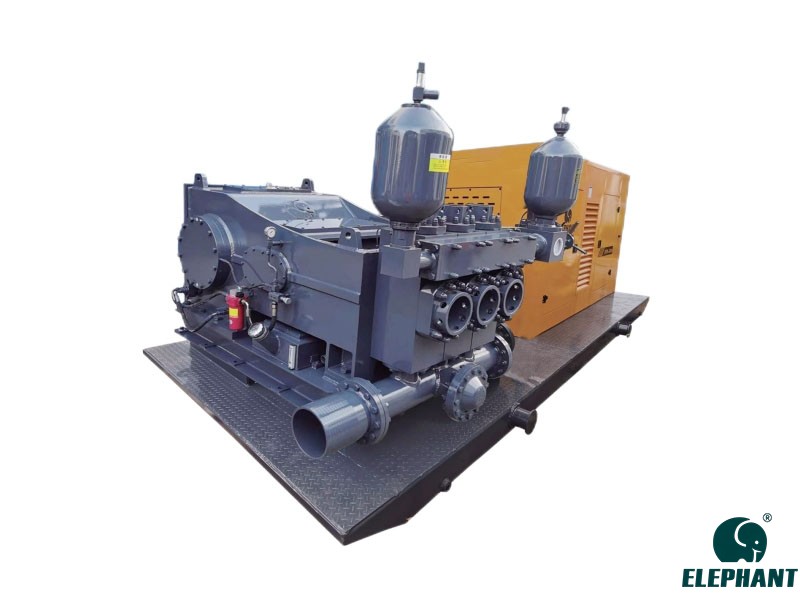
The CBW-3200 diesel engine pipeline booster pump is a horizontal triplex reciprocating single-acting plunger pump.
Learn More
To provide you with various specifications of piston & plunger pumps products and services
Contact Us
If you are interested in our products, please contact us, we will provide you with suitable services.
 +86 18110351348
 Email: louise.zhang@c-elephant.com
 Address: Room 909, Building 4, No. 109 Software Avenue, Nanjing City, Jiangsu, China</br></br>No. 58 Guan Hua West Road, Jianhu County, Yancheng City, Jiangsu Province, China
Please read on, stay posted, subscribe. and we welcome you to tell us what you think.
We Will Never Share or Sell Your Email. We Also Promise Not to Flood Your Inbox.



 IPv6 network supported